15 Blurry Vision Causes
Dealing with blurry vision can be frustrating at best and even a little scary when it interrupts your daily life. While sudden blurry vision can be a sign of a stroke, brain tumor, or detached retina, which require urgent medical attention, most often, this fuzziness stems from common “refractive errors.” Refractive errors is simply the medical term for when the shape of your eye bends light incorrectly. However, fluctuating clarity can also be a sign of dry eye, digital eye strain, or developing conditions like cataracts. Understanding why your eyesight has changed is vital for protecting your long-term eye health and getting your focus back on track.
At A Glance
- Routine eye exams can detect eye diseases early and prevent permanent vision loss.
- Prescription glasses or contact lenses achieve normal vision by correcting refractive errors.
- Treat dry eyes with artificial tears to stop fluctuating vision and improve comfort.
- Manage high blood pressure to protect delicate blood vessels and preserve your centdral vision.
- Seek immediate medical attention if you experience sudden blurred vision to rule out a medical emergency.
1. Refractive Errors
There are different kinds of refractive errors that can cause blurred vision. Nearsightedness, farsightedness, and astigmatism are the most common forms we find. These issues prevent images from focusing sharply on your retina. These distinct conditions are examples of refractive errors that affect your sight in different ways:
- Nearsightedness (Myopia): You can see clearly up close, but distant objects like road signs appear blurry.
- Farsightedness (Hyperopia): You may see well at a distance, but focusing on nearby objects requires extra effort and often causes eye strain.
- Astigmatism: An irregularly shaped cornea (often shaped like a football) causes distorted or wavy vision at all distances in one or both eyes.
- Presbyopia: This age-related change makes reading small print difficult and usually begins after age 40.
Finding Your Solution
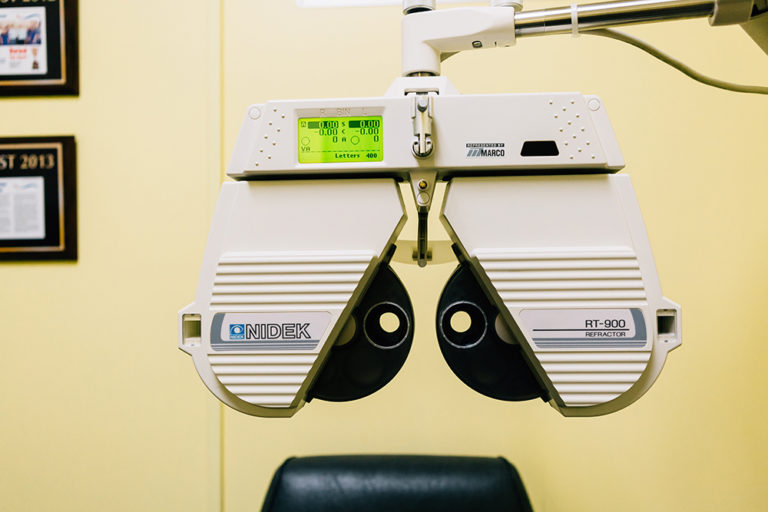
Correcting these issues is our specialty. We use Zeiss i.Profiler technology to map your eye’s unique “fingerprint” within 1/100th of a diopter. This ensures your prescription provides the sharpest vision possible. Once we determine your needs, you won’t have to wait long. Our in-house lab stocks single-vision contact lenses, allowing us to craft many prescription glasses in just one hour.
2. Presbyopia
Presbyopia is a natural loss of flexibility in the eye’s lens that eventually affects everyone starting around the age of 40. You might notice that restaurant menus or text messages become hard to read unless you hold them at arm’s length.
You do not have to settle for generic drug-store reading glasses to fix your blurry vision. We use the Eyezen Ruler 2, a digital measuring application, to take precise measurements and to capture natural posture and visual behavior in the near vision of the patient for a smooth and complete adaptation of their new lenses. This allows us to craft custom progressive lenses (no-line bifocals) that provide smooth, clear vision at every distance.
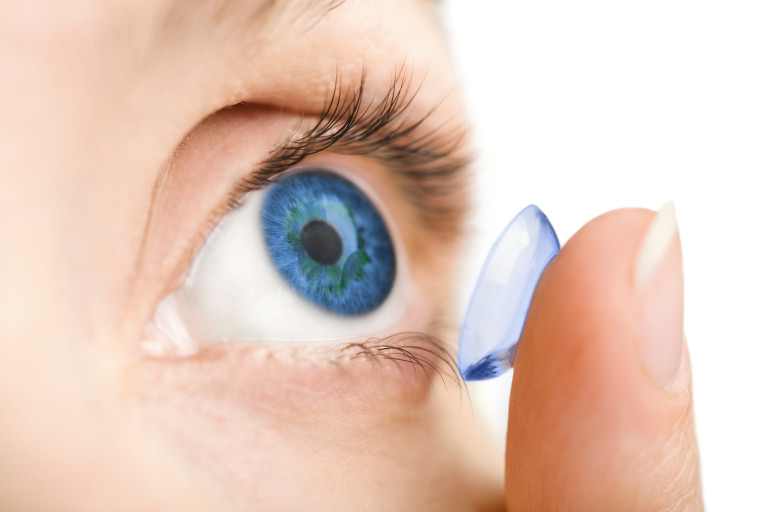
If you prefer to go frameless, we have you covered. We keep thousands of contact lenses in stock, including advanced multifocal options. These specialized lenses allow you to see clearly near and far without relying on glasses.
3. Dry Eye Syndrome
Your eyes rely on a smooth, consistent tear film to focus light properly. When you do not produce enough tears, or if they evaporate too quickly, your vision becomes inconsistent and blurry. You might notice that your sight clears up momentarily after a hard blink, only to blur again moments later.
While artificial tears offer temporary relief, chronic dryness often requires a targeted medical approach. We design individualized treatment plans to restore your eye’s natural balance. These may include prescription therapies like Restasis, specific nutritional supplements, or punctal plugs to help your eyes retain moisture throughout the day.
4. Digital Eye Strain
Digital eye strain usually stems from a simple physiological reaction. Your blink rate drops significantly when you stare at a computer or phone. This prevents your eyes from receiving necessary moisture, leading to fatigue and temporary blurred vision.
You can combat this with the 20-20-20 rule. Every 20 minutes, take a 20-second break to look at an object 20 feet away. This relaxes your focusing muscles. Using artificial tears, taking breaks from screens, and using a humidifier can also help relieve dry-eye symptoms.
A Note on Blue-Light Glasses
Your eyewear choice also impacts your comfort. Many patients report that blue-light filtering lenses help them feel less tired after a long day. While research on blue light is ongoing, these specialized coatings effectively reduce screen glare and visual stress. We can add this technology to your prescription to help you maintain focus throughout the workday.
5. Age-Related Macular Degeneration
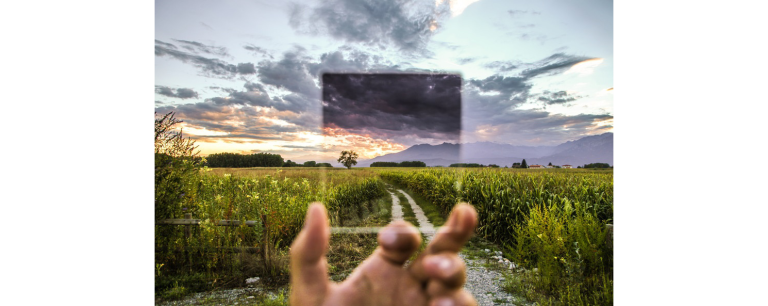
Age-related macular degeneration is the most common cause of vision loss in older Americans. Macular degeneration impacts the macula, the part of your eye responsible for sharp central detail. The macula is the small, sensitive center of your retina. It acts like the bullseye of your eye and is responsible for sharp, central vision. You rely on a healthy macula to read, drive, and recognize faces. This condition often starts silently but can eventually cause significant issues. You might notice that straight lines appear wavy or that a dark spot blocks the center of your sight.
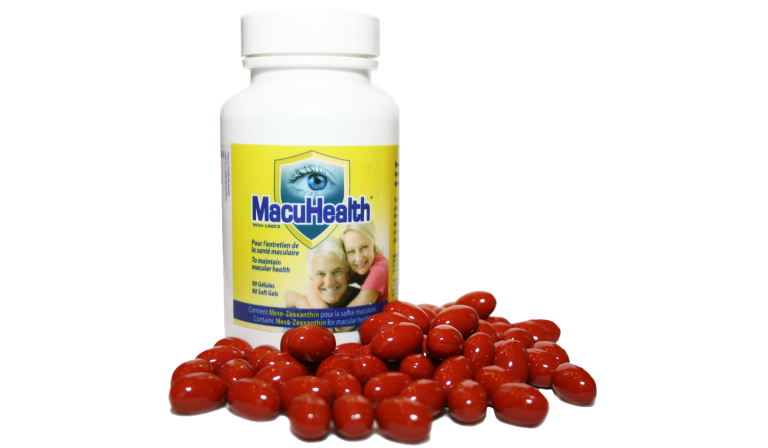
We prioritize early detection using the Optomap Retinal Exam and Cirrus HD-OCT. These advanced technologies allow us to see beneath the retinal surface to spot issues before they affect your daily life. If we detect early signs, we often prescribe MacuHealth supplements to help support your macular health.
6. Diabetic Retinopathy
Diabetes causes high blood sugar levels, which eventually causes damage to the tiny blood vessels inside your retina. These weakened vessels may leak fluid or bleed, causing swelling that blurs your vision. This condition is known as diabetic retinopathy. Diabetic retinopathy can affect anyone who has diabetes and can reduce vision even to the point of blindness.
You might not notice symptoms in the early stages, but that is what makes annual eye exams essential for anyone with diabetes. We use Optomap technology to capture a panoramic image of your retina. This allows us to monitor your blood vessel health year over year, often without the need for uncomfortable dilation drops. Managing diabetes, blood pressure, and other factors can significantly protect your eye health in the long term and prevent issues such as diabetic retinopathy from occurring.
7. Glaucoma
Your eye constantly produces fluid to maintain its shape and nourish internal structures. In a healthy eye, this fluid drains out as fast as it is produced, like a sink with the faucet on and the drain open. Glaucoma typically occurs when this drainage system gets clogged or slows down.
When fluid cannot escape, pressure builds up inside the eye. This pressure pushes against the optic nerve, the cable that connects your eye to your brain. This nerve is made of over a million tiny nerve fibers. High pressure slowly kills these delicate fibers, causing permanent blind spots in your peripheral (side) vision.
There is also a specific type called “angle-closure” glaucoma that strikes suddenly. This medical emergency causes sudden blurry vision, intense eye pain, and nausea. It is a rare condition, but if you are experiencing symptoms, please seek medical help immediately.
We stay ahead of this “silent thief” using the Zeiss Cirrus HD-OCT. This technology scans the layers of your optic nerve to detect thinning fibers years before you notice vision loss.
8. Cataracts
A cataract is simply a clouding of the eye’s natural lens. Think of it like looking through a frosted or dirty window. As proteins in the lens break down over time, your vision becomes hazy and colors appear dull or yellowed.
You will likely notice this most when driving at night. Cataracts typically create a diffuse, foggy halo around street lamps, while astigmatism halos often stretch lights into streaks or starbursts. The glare can feel overwhelming even if you have never needed glasses before.
This is a natural part of aging rather than a disease. When cataracts interfere with your ability to read or drive, we refer you for surgery. This safe procedure replaces the cloudy lens with a clear artificial one to restore your bright, sharp vision and can often correct other refractive errors at the same time.
9. High Blood Pressure and Preeclampsia
Your eyes offer a unique window into your cardiovascular health. They are the only place in the body where we can view blood vessels directly. Chronic high blood pressure forces blood through these delicate tubes, causing them to become narrow or leak. This damage, called hypertensive retinopathy, can permanently blur vision if left uncontrolled.
Preeclampsia is high blood pressure plus signs of damage to other organ systems, most often the liver and kidneys, which makes recognizing the signs of preeclampsia vital for expectant mothers. Sudden blurriness, light sensitivity, or seeing flashing spots can signal a medical emergency. This serious condition poses significant risks to both you and your baby. If you experience vision changes during pregnancy, contact your OB-GYN or visit the emergency room immediately.
10. Retinal Detachment
The retina is the thin, light-sensitive layer at the back of your eye, acting much like the film in a camera. Retinal detachment occurs when this layer peels away from its supportive tissue and blood supply, similar to wallpaper peeling off a damp wall. This is a medical emergency that threatens permanent blindness.
Detachment is often completely painless. This means you must rely on visual warning signs: a sudden shower of “floaters” (black spots), bright flashes of light (like lightning streaks), or a dark shadow or “curtain” closing over your peripheral vision.
Cases of retinal detachment are rare, but you are at higher risk if you are extremely nearsighted, have suffered a recent eye injury, or are over age 50. Because “time is vision” in these cases, seek emergency care immediately if these symptoms appear. Our use of Optomap imaging during routine exams is effective at catching early warning signs, such as small retinal tears, before they become full detachments.
11. Optic Neuritis and Multiple Sclerosis
Optic neuritis is an inflammation of the optic nerve, the cable that transmits visual information to your brain. It occurs when the body’s immune system mistakenly attacks the protective coating (myelin) around the nerve.
This condition is strongly linked to Multiple Sclerosis (MS). In fact, blurry vision from optic neuritis is often the very first symptom leading to an MS diagnosis. However, it can also result from viral infections or other autoimmune disorders.
Unlike many other eye conditions, optic neuritis usually causes pain when you move your eyes. You might also notice that colors look “washed out” or less vibrant than usual. If you experience painful blurring or a sudden drop in color perception, schedule an exam immediately so we can coordinate care with a neurologist if necessary.
12. Strokes and Brain Tumors
Your eyes connect directly to your brain, meaning vision changes can sometimes signal a neurological issue rather than an eye problem.
Stroke
A stroke interrupts blood flow to the brain’s visual centers. This typically causes sudden, painless vision loss. You might lose sight in one or both eyes entirely, or you might lose the same side of vision in both eyes (like a curtain blocking your right side). Sudden double vision is also a major warning sign. This is a medical emergency. Call 911 immediately if these symptoms occur.
Brain Tumor
A tumor causes damage by pressing against the optic nerve or visual pathways. Unlike a stroke, these symptoms often develop slowly. You might notice persistent headaches, unexplained nausea, or blind spots that expand over time.
We screen for these life-threatening issues during our comprehensive exams. We check for a swollen optic nerve (papilledema) or visual field defects that indicate pressure inside the brain.
13. Migraines, Fatigue, and Stress
Not every vision change signals a medical emergency. Your eyes are sensitive to your overall physical state. Common daily stressors often cause temporary visual disturbances:
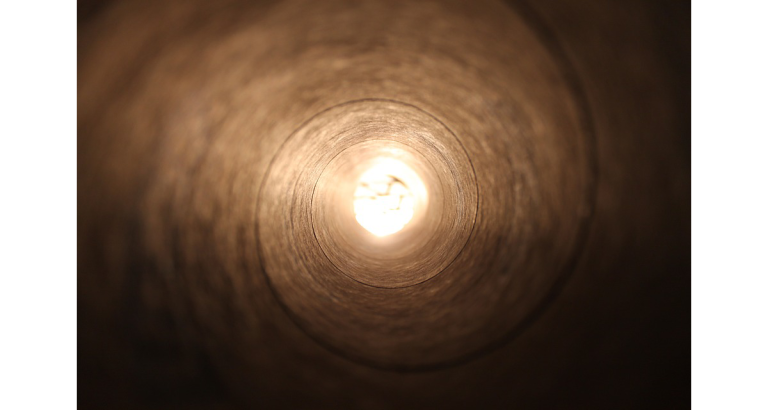
- Migraine Auras: Many patients experience a visual “warning” before a migraine strikes. You might see jagged lines, shimmering lights, or tunnel vision. Unlike a retinal detachment, these patterns usually drift across your vision and fade within 20 to 30 minutes.
- Physical Fatigue: Your eyes have muscles that need rest, just like the rest of your body. Lack of sleep causes these muscles to spasm, leading to fluctuating focus and dryness.
- Stress and Anxiety: High stress levels trigger adrenaline, which can dilate your pupils. This lets in too much light, causing sensitivity, mild blurring, and even eye twitching.
The Solution
Rest is usually the best medicine here. Hydrate, get some sleep, and step away from screens. However, if these symptoms persist after you relax, schedule an exam so we can rule out other causes.
14. Eye Infections and Medications
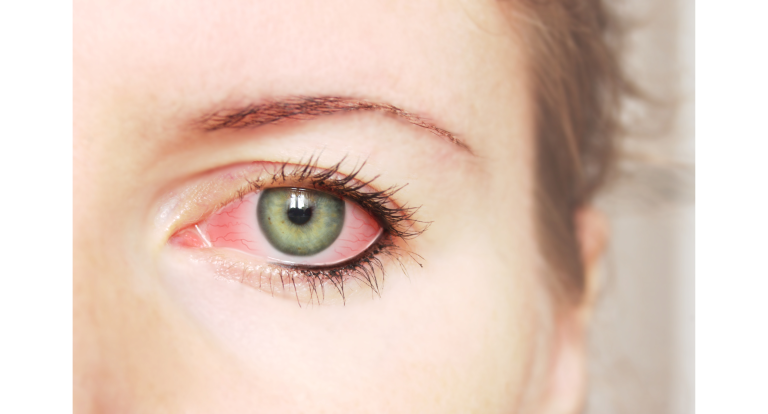
Bacteria and viruses often attack the eye surface. Infections like pink eye (conjunctivitis) cause redness, discharge, and significant blurring. However, inflammation can also come from inside your body. Systemic conditions like psoriasis can trigger uveitis, a painful internal swelling that requires immediate treatment to prevent scarring.
Your medicine cabinet also plays a role. Many common prescriptions (including antihistamines, antidepressants, and blood pressure medications) can dry out your tear film or dilate your pupils. This leads to temporary blurriness. Please bring a current list of your medications to your eye exam so we can pinpoint the cause.
15. Eye Injuries and Concussions
Physical trauma creates immediate risks. Blunt force impact, like getting hit with a baseball, an elbow during basketball, or an airbag deployment, can cause internal bleeding (hyphema) or severe inflammation inside the eye. Even if the “black eye” heals, the internal pressure spike can damage your optic nerve permanently.
Surface injuries are also common. Corneal abrasions (painful scratches from a fingernail or tree branch) and foreign bodies (metal shards or dust) typically cause intense watering, redness, and sharp pain every time you blink.
Your vision can also be affected even if the eye itself wasn’t hit. Concussions can cause “post-trauma vision syndrome.” This might appear as double vision, difficulty focusing on reading material, or dizziness weeks after the injury.
Prevention is your best defense. We stock protective sports eyewear to keep your eyes safe on the field. If you do suffer an injury, skip the urgent care and come straight to us. We offer emergency eye care to assess damage, remove foreign bodies safely, and prescribe the right medications to prevent infection.

Clear Vision Starts With a Plan
As we have explored, blurry vision can stem from a wide range of issues. From a simple need for new glasses to subtle signs of diabetes or high blood pressure. Because the causes vary so wildly, trying to diagnose yourself can be risky.
At Signature Eye Care, we take the guesswork out of your health. We utilize advanced diagnostic technology, including the Optomap and Zeiss i.Profiler, to pinpoint the exact cause of your vision changes. We can often view 210 degrees of your retina without the discomfort of dilation drops, making your exam faster and more comfortable.
We are proud to have served the Cedar Park and Hill Country community for over 24 years, earning the title of “Best Eye Doctor” for more than a decade. Whether you need an emergency check for an injury or a routine update to your prescription, we are here to help.
When was your last exam? Healthy vision starts here.
Schedule your appointment online or call us today to protect your sight.