Everything You Need to Know About Comprehensive Eye Exams
A comprehensive eye exam does more than check if you need corrective lenses. It is a detailed physical for your eyes that evaluates your overall health. Your vision connects you to the world around you. We use advanced technology to examine your physical eye structures and screen for systemic conditions. Detecting issues early protects your sight and your quality of life.
About Comprehensive Eye Exams and Eye Health
A comprehensive eye exam assesses your visual acuity and the physical condition of your eyes. To ensure complete visual function, our team evaluates several key areas during your visit. We will check:
- Lens power: This is the refraction part of the exam, where the doctor determines the exact prescription for your glasses or contacts.
- How eyes work together: Also known as binocular vision testing, this checks eye alignment and teaming to make sure the eyes aren’t straining to focus together.
- Clear outer surface: The doctor uses a microscope called a slit lamp to look closely at the cornea, iris, and lens to check for things like dry eye, cataracts, or corneal damage.
- Internal structures: Through dilation or Optomap imaging, the doctor looks at the retina, blood vessels, and optic nerve to screen for diseases like glaucoma and macular degeneration.
- Color vision and depth perception: These are typically done during the preliminary testing phase (often before you even see the doctor) to screen for color blindness and check 3D vision, which is especially important for children and new patients.
Why Routine Checks Matter
Everyone should get regular eye exams, even if you feel your sight is perfect. The eye is an incredibly complex organ that offers a window into your overall health. Many common eye diseases do not show obvious signs in their early stages and can go completely unnoticed until the condition advances significantly. A routine eye exam allows our doctors to catch these hidden conditions before symptoms ever appear. Catching them early gives us the best chance to manage the issue and prevent vision loss.
Exams vs. Simple Screenings
Many people confuse a quick vision screening with a comprehensive eye exam. You usually encounter simple screenings at a school nurse’s office or the driver’s license bureau. These brief tests only measure your visual acuity from a distance to spot basic vision problems. Because they do not look at the physical health of the eye, basic screenings frequently miss significant underlying conditions.
Even a quick visit to a retail glasses store to update your prescription doesn’t always give you the full picture of your eye health. A true comprehensive eye exam goes much deeper. Our doctors take the time to evaluate all the complex structures inside and outside your eye, using advanced technology to provide an accurate medical diagnosis. If you or your child ever fail a simple vision screening, we recommend scheduling a full eye exam right away so we can find the exact cause of the issue and create a proper treatment plan.
Common Eye Conditions and Eye Problems
During your visit, our doctors check for several common eye conditions that can threaten your sight. Because many of these issues develop silently, catching them early gives us the best opportunity to explore treatment plans that can make a massive difference in your long-term vision.
- Glaucoma – Optic nerve damage from high eye pressure; nearly asymptomatic, so regular testing is the only way to catch it early
- Diabetic Retinopathy – Damaged blood vessels in the eye due to diabetes; leading cause of blindness in U.S. adults, but early treatment prevents severe vision loss in up to 90% of cases
- Cataracts – Clouding of the eye’s lens over time; the leading cause of vision loss in the U.S., highly treatable when caught early
- Macular Degeneration – Breakdown of light-sensitive tissue affecting central vision; makes reading and recognizing faces difficult if untreated
What You Should Know
Things to Bring
To ensure your appointment goes smoothly, please bring your current glasses or contact lenses so we can compare your new prescription with your old one. You should also bring a comprehensive list of your current medications and complete medical history, if possible.
Before you arrive, we want to clear up a major myth many patients ask us about: wearing reading glasses early will not make your eyes worse or cause them to “depend” on the magnification. Your vision changes naturally over time.
Collecting Your History
Before we look at your eyes, we want to learn about you. We take detailed patient history notes, including allergy information, current medications, and any vision issues you might be experiencing. We also want to know about your family history of eye disease, as genetics plays a large role in your vision.
Identifying Risk Factors
Your eyes are deeply connected to the rest of your body. This means systemic health problems can directly affect your vision. Risk factors such as high blood pressure, diabetes, high cholesterol, and thyroid issues can all present in vision disturbances. Understanding your overall health helps us assess your potential risk factors for specific eye conditions.
The Role of the Doctor of Optometry
Understanding who does what in the eye care world can be confusing. To make it simple, we like to talk about the “Three O’s” of eye care:
- Ophthalmologist: A medical doctor who specializes in complex eye diseases and performs eye surgery.
- Optician: A specially trained professional who helps you select, fit, and adjust your glasses.
- Optometrist: Your primary eye doctor who diagnoses common eye diseases, prescribes corrective lenses, and treats everything short of surgery.
As your doctor of optometry, we sit right in the middle of your care team. We handle your regular eye exams, manage ongoing conditions with medication or eye drops, and ensure your vision is functioning at its absolute best. Our priority is clear communication. We want to ensure that every patient leaves our office feeling comfortable, with all their questions answered and their concerns completely addressed.
What Happens During A Comprehensive Eye Exam
Visual Acuity and Refraction
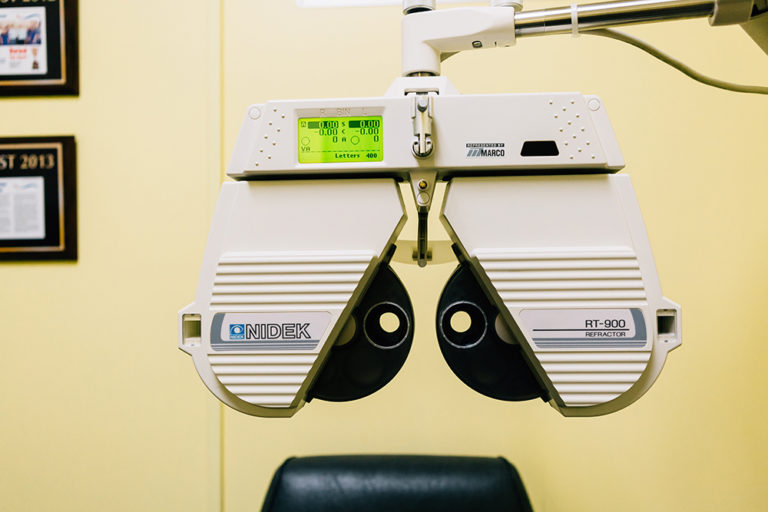
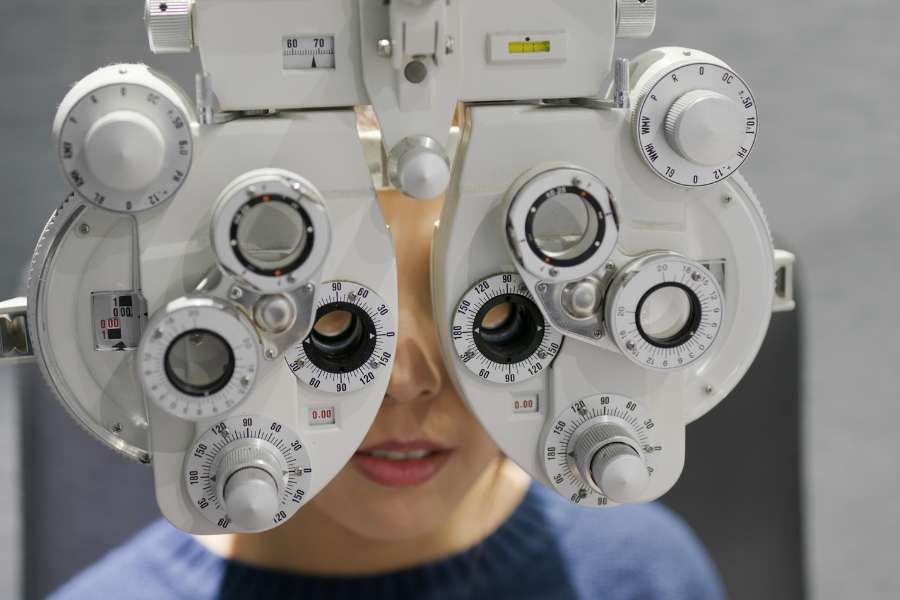
We start by measuring your visual acuity to see how clearly you can read letters on a chart. After that, we perform a refraction to determine the exact lens power needed for your glasses or contact lenses. We use advanced technology like the Zeiss i.Profiler to map the unique shape of your eye with incredible precision. This data helps us craft a prescription that actually improves your night vision and sharpens contrast.
Pressure and Physical Health
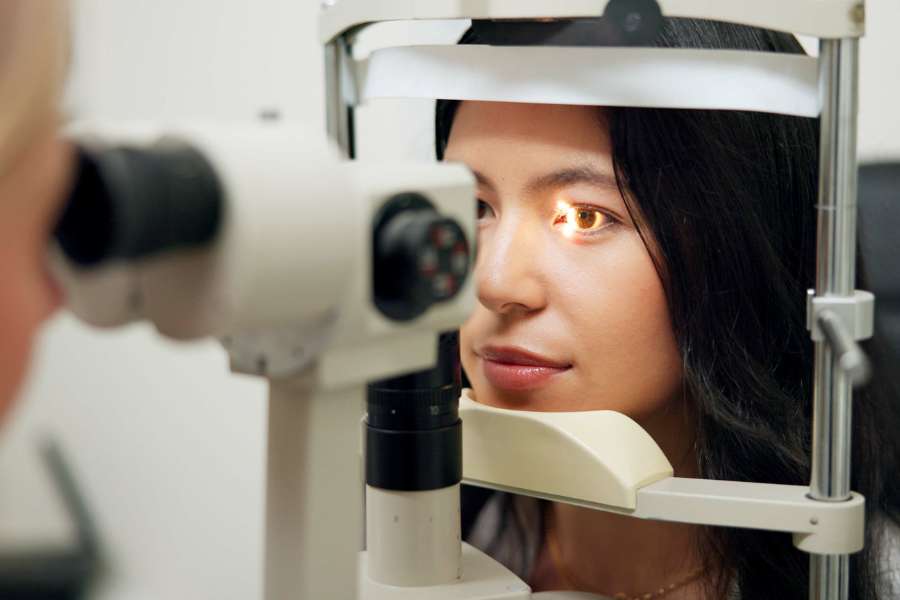
To test for glaucoma, we measure your eye pressure with a non-contact tonometer that blows a small gentle puff of air into your eyes. After checking your eye pressure, the doctor will examine the physical health of the front of your eye using a specialized microscope called a slit lamp. This device provides a highly magnified 3D view of your cornea, iris, and lens, allowing us to detect issues ranging from dry eye and allergies to early cataracts or corneal damage.
Dilation and Retinal Imaging
Traditional eye dilation involves putting eye drops in your eyes, waiting 20 to 45 minutes for your pupils to expand, and then examining your retina. At Signature Eye Care, we also offer Optomap retinal imaging. This fast, painless technology captures a 210-degree view of the back of your eye. In many cases, the Optomap replaces the need for uncomfortable dilation drops entirely. Other times, we use both methods together to ensure we get the absolute best view of your eye health.
Pediatric Exams And Early Detection
A child’s eyes change rapidly, and because they don’t always know what “normal” vision looks like, they rarely complain about not seeing clearly. While a quick vision screening at school or the pediatrician’s office is a good start, it isn’t enough to catch subtle issues that can impact their development. A comprehensive pediatric eye exam allows us to ensure their eyes are healthy, working together correctly, and giving them the clear sight they need to learn and play.
When to Screen Children
The American Optometric Association recommends children have their first comprehensive eye exam between 6 and 12 months of age. They should receive a follow-up exam between the ages of 3 and 5. Once a child enters school, annual exams ensure their vision fully supports their daily activities and learning.
Catching Amblyopia Early
One of the conditions we look for during these early visits is amblyopia, commonly known as lazy eye. This is a leading cause of vision loss in children, where the brain favors one eye over the other. Treating this condition promptly helps prevent permanent vision loss. Early detection allows our doctors to intervene with corrective glasses or vision therapy while the child’s visual system is still developing.
School-Age Testing
Vision problems are frequently mistaken for learning disabilities because a child who struggles to see often struggles to pay attention. If your child avoids reading, squints at the board, or complains of headaches, we highly recommend scheduling a comprehensive eye exam. Our own Dr. Lou actually struggled with reading in the third grade until he got glasses, so our practice truly understands how much clear vision impacts a child’s confidence and success in school.
How Often Should You Get Eye Exams
How often you need an eye exam depends on your age, health, and risk factors. Here’s a general guide:
- Children – First exam between 6-12 months, follow-up at ages 3-5, then annually once in school
- Adults (18-60) – Every one to two years; baseline comprehensive exam recommended at age 40
- Seniors (60+) – Annually, due to increased risk of cataracts, glaucoma, and macular degeneration
- Diabetes & high-risk groups – Every 6 to 12 months; diabetic patients need a dilated eye exam or Optomap scan yearly
Anyone experiencing sudden vision changes, including new blurriness, dark spots, or loss of vision, should book an eye exam immediately to rule out a medical emergency and prevent permanent damage.
Technology, Tests, and Categories
Diagnostic Technology
Signature Eye Care invests heavily in advanced diagnostic technology for our patients. During your visit, you may undergo a scan with our Zeiss Cirrus HD-OCT. This device works similarly to an ultrasound but uses light waves to capture high-resolution, cross-sectional images of your retina. This allows our doctors to see beneath the surface and detect the earliest signs of glaucoma and macular degeneration.
Categorizing Your Tests
A comprehensive exam involves multiple diagnostic tools. We generally categorize these tests into two main groups: vision quality and physical eye health.
- Vision Quality Tests: These assess how well you see and determine your prescription. This category includes reading the standard eye chart and performing the refraction.
- Physical Health Tests: These evaluate the structural integrity of your eyes. This category includes the slit lamp exam, eye pressure checks, and digital retinal imaging.
Our team will always explain the purpose of these individual assessments so you understand exactly what the categories written on your chart mean and how they impact your overall health.
Conclusion
A comprehensive eye exam is the best investment you can make to protect your long-term vision. It acts as a detailed physical for your eyes, providing a clear window into your overall health. We combine advanced diagnostic technology with a warm, family-focused approach to ensure you receive a five-star patient experience. We want to help you see clearly and feel comfortable.
Schedule your appointment with our eye doctors in Cedar Park today to protect your precious eyesight.