Eye Allergies in Austin, TX: Why They’re So Common- and What You Can Do About Them
Posted On February 20, 2026

If you live in Austin, you already know: allergy season isn’t really a “season” here, it’s a lifestyle.
Between cedar in the winter, oak in the spring, grasses in the summer, and ragweed in the fall, our area consistently ranks as one of the toughest places to live if you struggle with allergies. And while most people think about sneezing and congestion, your eyes are often the first place allergies show up.
Let’s talk about why eye allergies are so common in Austin, and what actually helps.
Why Austin Is So Tough on Eyes
Living in the Texas Hill Country means we’re surrounded by heavy pollen producers. Some of the biggest culprits include:
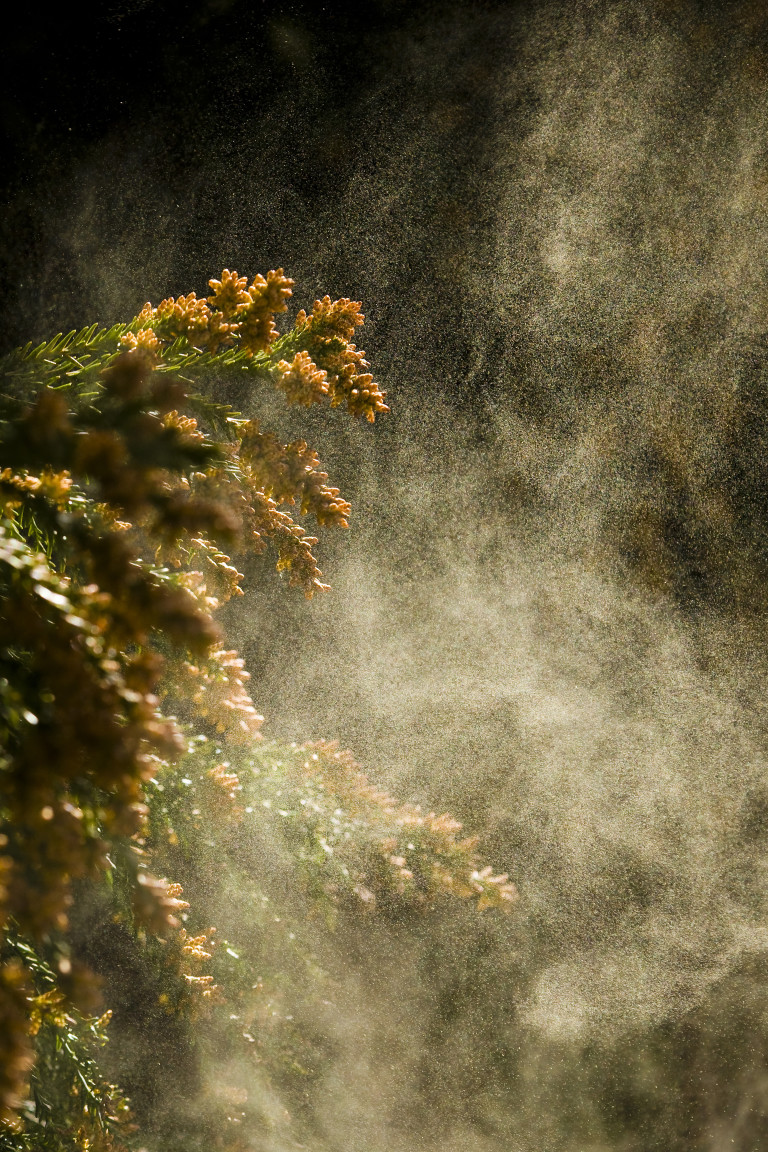
- Cedar (Mountain Cedar / Ashe Juniper) – Peaks December through February and is responsible for “cedar fever.”
- Oak trees – Major trigger in the spring.
- Grass pollen – Late spring into summer.
- Ragweed – Fall flare-ups.
- Mold spores – Thrive in our humidity, especially after rainy periods.
- Dust and pet dander – Common indoor triggers year-round.
When your eyes come into contact with these allergens, your immune system releases histamine, leading to inflammation of the conjunctiva (the clear tissue covering the white of the eye).
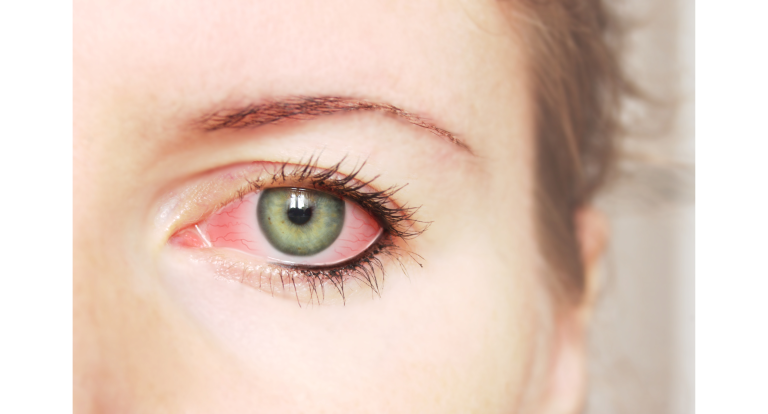
That inflammation causes:
- Intense itching
- Redness
- Watery or teary eyes
- Puffy eyelids
- Burning or stinging
- Light sensitivity
- Blurry vision from excessive tearing
Unlike an eye infection, allergy symptoms typically affect both eyes and tend to fluctuate depending on pollen counts.
“Cedar Fever” and Your Eyes
During cedar season in Austin, many patients assume they have a sinus infection or cold. But if your main symptoms are itchy, watery, irritated eyes, especially without thick discharge, allergies are often the culprit.
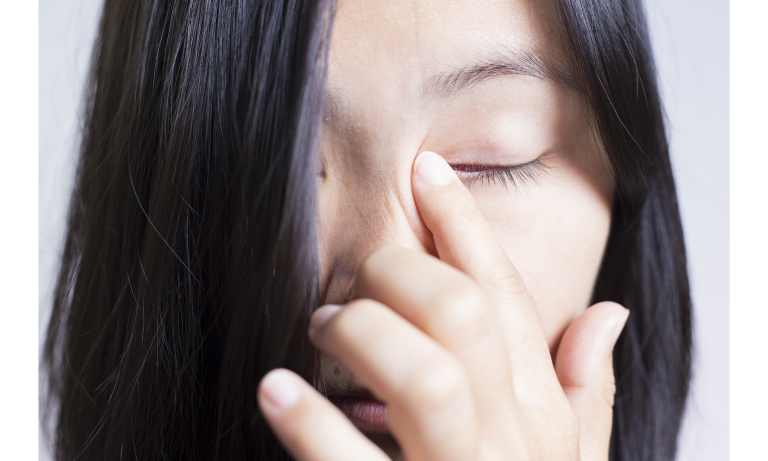
Rubbing may feel good for a moment, but it actually releases more inflammatory chemicals and makes symptoms worse. Over time, chronic rubbing can even affect the cornea.
What Actually Helps in Austin’s Climate
Because our allergens change throughout the year, treatment often needs to be proactive and tailored.
1. Watch the Pollen Counts
On high pollen days:
- Keep windows closed
- Run your AC with a clean filter
- Shower and change clothes after being outdoors
- Avoid outdoor exercise during peak pollen times (usually morning)
2. Preservative-Free Artificial Tears
Using artificial tears 2–4 times daily can help flush allergens off the surface of the eye. This is especially helpful after being outside.
3. Cold Compresses
A cool compress can calm inflammation and reduce puffiness quickly.
4. Antihistamine / Mast Cell Stabilizer Eye Drops
These are often the most effective first-line treatment. They:
- Reduce itching quickly
- Block histamine
- Help prevent future flare-ups
Some are available over the counter, while others are prescription strength for more persistent cases.
5. Be Careful with “Redness Relief” Drops
Many popular redness drops simply shrink blood vessels temporarily. Overuse can actually worsen redness over time. If you’re using these regularly, it’s worth discussing better options.
6. Oral Allergy Medications
Oral antihistamines can help overall symptoms but may worsen dry eye, something we see frequently in Austin’s heat and wind. If your eyes feel gritty or dry, this could be contributing.
7. Contact Lens Considerations
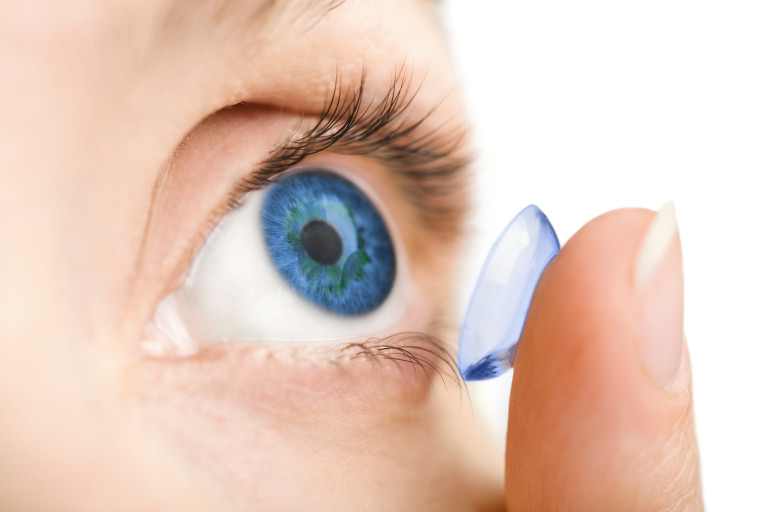
Allergens stick to contact lenses.
If you’re struggling:
- Daily disposable lenses may help
- Reducing wear time during peak allergy periods can improve comfort
- Switching lens materials may make a difference
We can help determine the best strategy for your lifestyle.
When to Schedule an Eye Exam
You should come in if:
- Symptoms are persistent or worsening
- Vision becomes blurry or fluctuates
- Over-the-counter drops aren’t helping
- You’re unsure whether it’s allergies or infection
- Contact lenses have become uncomfortable
Sometimes what seems like allergies can actually be dry eye, blepharitis, or another inflammatory condition. Getting the diagnosis right is key.
Relief Is Possible- Even in Austin
Living in Austin doesn’t mean living with constant itchy, red, irritated eyes.
With the right treatment plan and a proactive approach during peak pollen seasons, we can help you stay comfortable year-round.
If your eyes are bothering you, don’t wait for the season to pass. Schedule an appointment and let’s create a plan that works for you, even in the middle of cedar season.
Your eyes have to survive Austin, too.