Night Driving Problems? What Might Be Going On
Posted On June 22, 2026
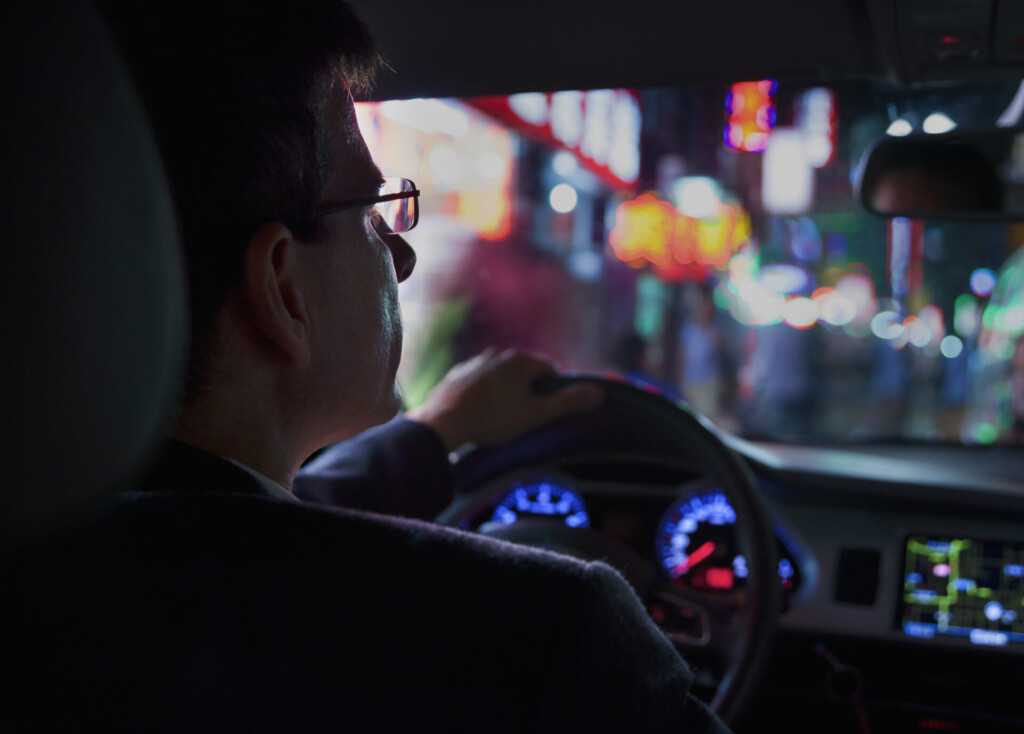
Do you find yourself avoiding driving after dark? Are headlights from oncoming cars becoming increasingly blinding? Maybe road signs seem harder to read at night, or you feel less confident behind the wheel once the sun goes down.
If you’re experiencing difficulties with night driving, you’re not alone. Many people notice changes in their vision after dark, and several underlying eye conditions could be contributing to the problem.
Why Is Night Driving More Challenging?
Driving at night places greater demands on your visual system. In low-light conditions, your pupils naturally enlarge to let in more light. This can make certain vision problems more noticeable and reduce overall visual clarity. Glare from headlights, streetlights, and reflective surfaces can further complicate matters.
If you’re struggling with night driving, here are some common reasons why.
1. Uncorrected Vision Problems
Even a small change in your prescription can affect your ability to see clearly at night. Nearsightedness (myopia), astigmatism, or outdated glasses can cause blurry vision, halos around lights, and difficulty focusing on distant objects.
Regular eye exams help ensure your prescription is accurate and optimized for both daytime and nighttime vision.
2. Cataracts
One of the most common causes of night driving difficulty is cataracts. Cataracts occur when the eye’s natural lens becomes cloudy, scattering light as it enters the eye.
Common symptoms include:
-
Increased glare from headlights
-
Halos around lights
-
Blurry or hazy vision
-
Reduced contrast sensitivity
-
Difficulty seeing road signs at night
Many patients first notice cataract symptoms while driving after dark.
3. Dry Eye Disease
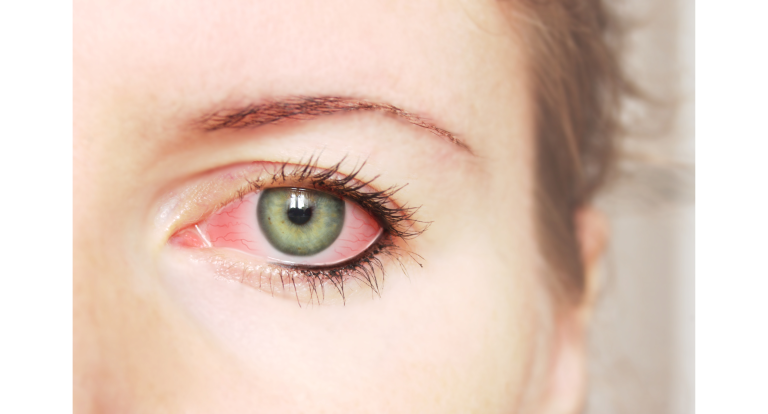
Dry eyes can significantly impact visual quality, especially at night. When the tear film on the surface of the eye becomes unstable, vision can fluctuate and lights may appear streaky or distorted.
Symptoms often include:
-
Burning or irritation
-
Fluctuating vision
-
Excessive tearing
-
Increased glare and halos
Fortunately, dry eye can often be effectively managed with proper treatment.
4. Astigmatism
Astigmatism occurs when the front surface of the eye has an irregular shape. This can cause light to focus unevenly on the retina, resulting in blurred vision and increased glare.
Many people with astigmatism report:
-
Starbursts around lights
-
Difficulty seeing clearly at night
-
Eye strain while driving
-
Trouble judging distances
Proper corrective lenses can often improve these symptoms significantly.
5. Aging Eyes
As we age, our eyes naturally become less efficient at adapting to darkness. The pupils may not dilate as widely, and the retina may become less sensitive in low-light conditions.
Many adults notice:
-
Slower adaptation when moving from bright to dark environments
-
Increased sensitivity to glare
-
Reduced contrast sensitivity
-
More difficulty driving at night than in younger years
While some changes are normal, a comprehensive eye exam can help determine whether additional factors are contributing.
6. Eye Diseases Affecting Peripheral or Night Vision
Certain eye conditions can impact your ability to see in dim lighting or reduce peripheral awareness while driving.
Examples include:
-
Glaucoma
-
Retinitis pigmentosa
-
Diabetic retinopathy
-
Other retinal disorders
These conditions may develop gradually, making routine eye examinations essential for early detection and treatment.
What Can You Do?
If night driving has become difficult, don’t ignore the symptoms. A comprehensive eye examination can help identify the cause and determine the best solution.
Depending on the findings, treatment may include:
-
Updating your glasses or contact lens prescription
-
Managing dry eye disease
-
Monitoring or treating cataracts
-
Evaluating for glaucoma or retinal disease
-
Discussing specialty lenses that reduce glare
When Should You Schedule an Eye Exam?
You should schedule an eye exam if you notice:
-
Increased glare from headlights
-
Halos around lights
-
Difficulty reading street signs at night
-
Blurry vision after dark
-
Reduced confidence while driving
-
Frequent eye strain or headaches
These symptoms may be signs of a treatable vision problem.
We’re Here to Help
Night driving should not feel stressful or unsafe. If you’re experiencing changes in your vision after dark, our team can help identify the cause and recommend solutions to improve your comfort and confidence behind the wheel.
Contact our office today to schedule a comprehensive eye exam and take the first step toward clearer, safer night vision.