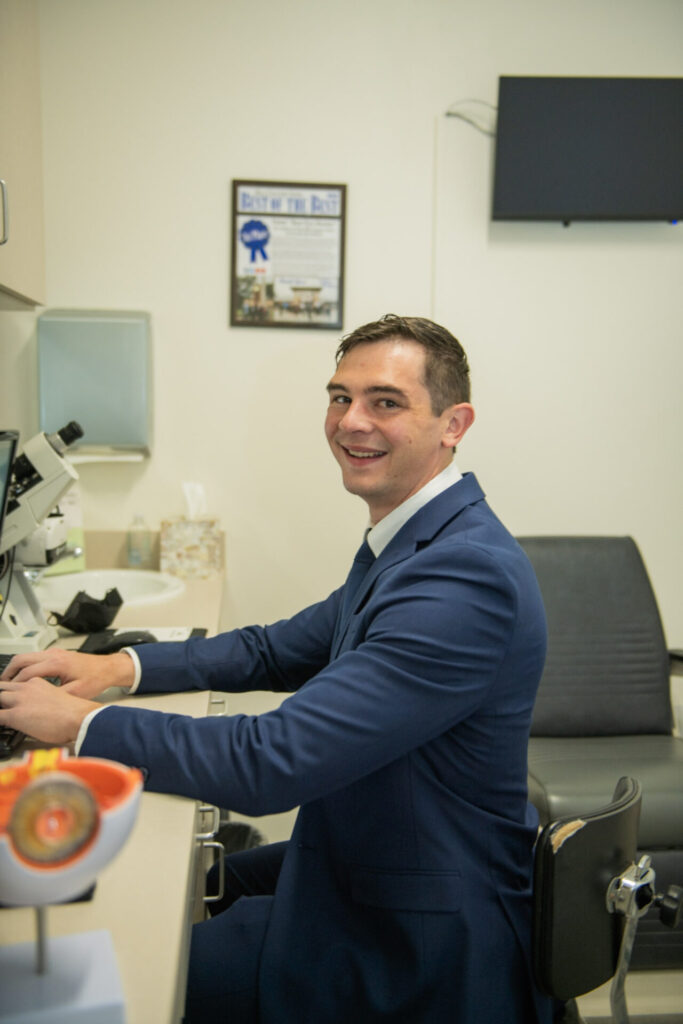
What I’m Looking For When I Look Into Your Eyes
As an optometrist, I cannot overstate the importance of retinal photography during comprehensive eye exams. This imaging technique allows us to capture detailed images of the retina, providing invaluable insights into the health of the eye. One significant aspect we monitor is how systemic conditions, such as diabetes, high blood pressure, or neurological conditions, can affect the back of the eye. Diabetic retinopathy, for instance, can develop without any noticeable symptoms for the patient until significant damage has occurred. By using retinal photography, we can detect early changes in the retinal structure, enabling us to initiate timely interventions and potentially prevent irreversible vision loss.
As mentioned, many ocular pathologies often present as asymptomatic, meaning that patients may not exhibit any noticeable signs or symptoms until the disease has progressed. Conditions like glaucoma or age-related macular degeneration can quietly advance without the patient’s realization, which is why routine imaging is crucial. Retinal photography serves as a baseline for future comparisons, allowing us to monitor any changes over time and adjust treatment plans accordingly.
In essence, incorporating retinal photography into our regular eye exams is essential for continuity of care. It not only aids in the early detection of diseases but also helps to track the progression or improvement of existing conditions. By establishing a comprehensive record of retinal health, we can provide our patients with the best possible care and ensure they maintain optimal vision throughout their lives.
Written By: Dr. Peyton Allen