Myopia Control Options Explained
Posted On August 14, 2026
As an optometrist, one of the most important conversations I have with parents today is about myopia, or nearsightedness, and how it can progress during childhood. Myopia is becoming increasingly common, and while glasses can correct blurry distance vision, they do not slow the underlying progression. This is significant because higher levels of myopia are associated with an increased risk of eye health conditions later in life, including retinal detachment, glaucoma, and macular degeneration.
For this reason, myopia control focuses not just on improving vision, but on slowing the rate at which myopia worsens over time. There are several well-researched options available, and the best choice often depends on a child’s age, prescription, and lifestyle.
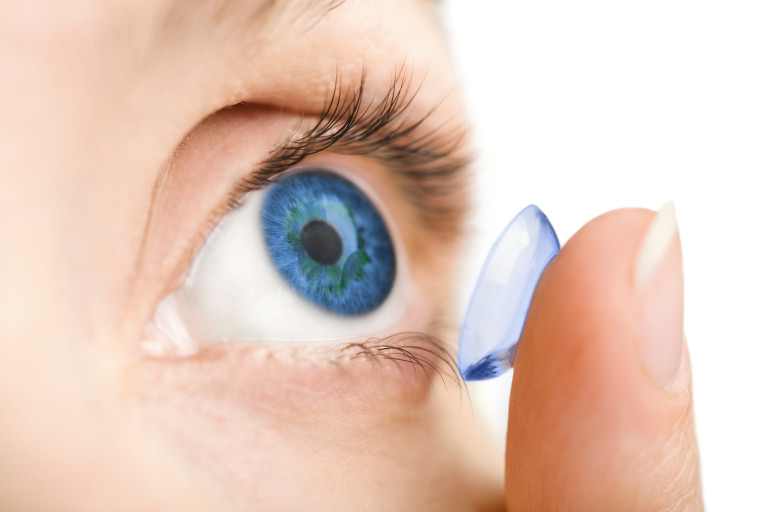
One option is MiSight daily soft contact lenses, which are soft contact lenses specifically designed to both correct vision and slow myopia progression through specialized peripheral optics. Another option is Stellest lenses, a spectacle lens design that incorporates multiple peripheral lenslets to help reduce the stimulus for eye growth while providing clear vision.
Low-dose atropine therapy is another effective approach, involving medicated eye drops used nightly to slow the progression of myopia. These drops are generally well tolerated and can be a good option for children who are not ready for contact lenses. Finally, orthokeratology or corneal refractive therapy, often abbreviated as Ortho-K or CRT, uses specially designed rigid contact lenses worn overnight to gently reshape the cornea. This allows for clear vision during the day without glasses or contacts, while also helping to slow myopia progression.
Ultimately, myopia control is not a one-size-fits-all approach. During a comprehensive eye exam, we evaluate each child’s vision, eye health, and risk factors to determine the most appropriate strategy. Early intervention can make a meaningful difference in long-term eye health, helping to preserve not just clear vision, but healthy eyes for years to come.