What Can an Eye Exam Detect? 12 Surprising Health Clues
Most people book an eye exam thinking it’s about glasses. That is only a small piece of what your eye doctor is actually checking. A comprehensive eye exam looks at five or six different tissues inside the eye, each one capable of revealing very different health problems. Some of those problems have nothing to do with your vision, but have everything to do with your overall health.
A comprehensive eye exam can detect more than 270 health conditions, including diabetes, high blood pressure, brain tumors, and certain cancers. The eye is the only place in the body where a doctor can see living blood vessels and the optic nerve directly, without imaging or surgery, which is why eye exams often catch problems years before other screenings do.
Here are 12 things your eye doctor can find during a routine visit, starting with the eye itself and ending with conditions you would never expect to come up at the optometrist.
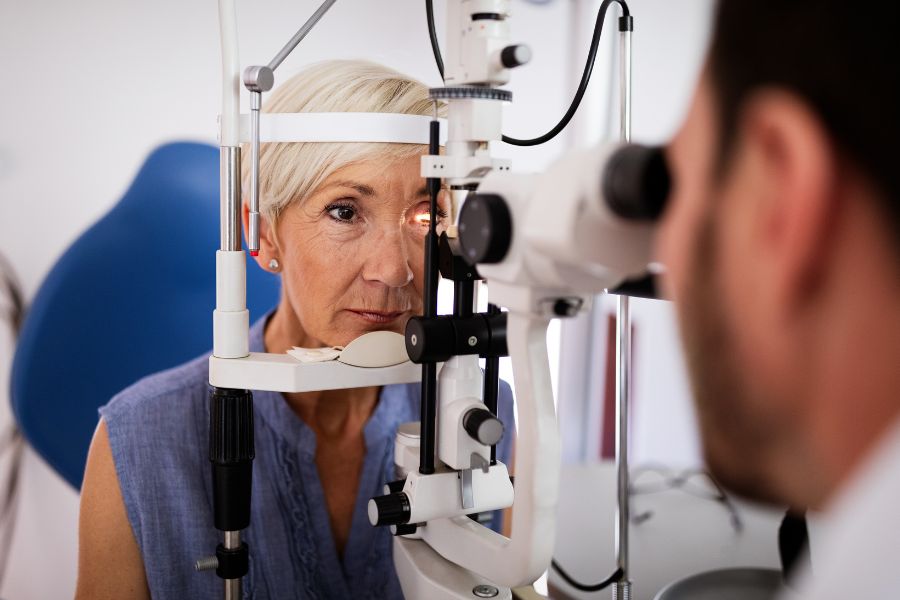
Conditions inside the eye
1. Nearsightedness, farsightedness, and astigmatism
The most common thing an eye exam finds is a refractive error, which is the medical term for needing glasses or contacts. Nearsightedness means you see close objects clearly but distant ones look blurry. Farsightedness is the opposite. Things near your eyes may seem blurry or unfocused and cause pressure behind your eyes, even though faraway objects look perfectly clear.
Astigmatism happens when the front of your eye is shaped more like a football than a basketball, so light does not focus the way it should. All three are corrected with the right prescription, and even small uncorrected errors can cause headaches, eye strain, and trouble in school or at work.
2. Glaucoma
Glaucoma is sometimes called the silent thief of sight because pressure inside the eye slowly damages the optic nerve, often without any pain or warning. By the time you notice peripheral vision loss, the damage is already permanent. That is why our doctors check eye pressure at every comprehensive exam and use HD retinal imaging to look for early thinning of the optic nerve. Early detection means a highly manageable treatment plan with eye drops or simple in-office procedures. Caught late, it leads to blindness.
3. Cataracts
A cataract is a clouding or yellowing of the lens inside your eye, like looking through a foggy window. Cataracts develop slowly with age, but high blood sugar from diabetes, long-term steroid use, and heavy UV exposure all speed them up. Your doctor can spot the early signs during a slit-lamp exam, often years before you notice your vision dimming or colors looking dull.
4. Macular degeneration
Macular degeneration affects the center of your vision, like a smudge in the middle of a photo, while side vision stays intact. It is one of the leading causes of vision loss in older adults. Eye doctors look for yellow deposits under the retina, thinning macular tissue, or fluid buildup, all signs the disease is starting. An early diagnosis allows for lifestyle changes, supplements, and monitoring that can slow progression significantly.
5. Dry eye and ocular allergies
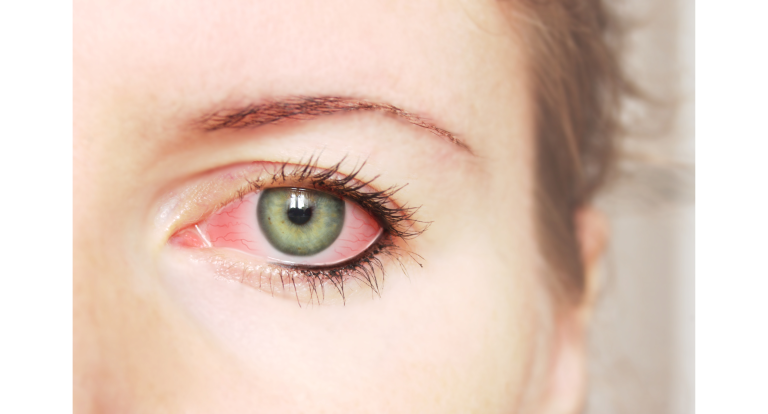
Burning, itchy, watery eyes are not just uncomfortable, they are often a sign of an underlying issue. Dry eye disease means your eyes are not producing enough quality tears. Ocular allergies are a reaction to airborne triggers like cedar, oak, and ragweed (all common around Cedar Park and the Hill Country.) Your doctor can tell the two apart in a few minutes and recommend the right treatment, whether that is artificial tears, prescription drops, or a more advanced dry eye plan.
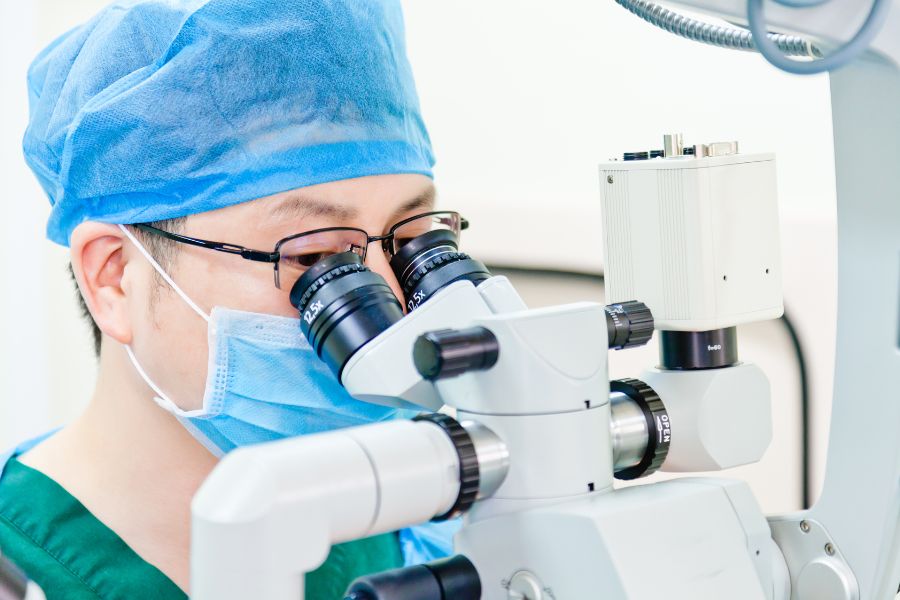
Conditions in the rest of your body
The retina contains tiny blood vessels and nerves that are visible without surgery or imaging, so your eye doctor can spot signs of disease anywhere in your body, sometimes years before your primary care doctor would.
6. Diabetes
High blood sugar damages the small blood vessels in the retina, causing them to leak, swell, or bleed. This condition is called diabetic retinopathy, and it can develop before a patient has any other symptoms of diabetes. According to the American Optometric Association, one in five Americans say an eye doctor has detected a non-eye health issue, and undiagnosed diabetes is one of the most common. If we see those changes during your exam, we will refer you for blood work the same day.
7. High blood pressure
Hypertension leaves a clear signature in the eye. Blood vessels become narrowed, kinked, or develop tiny spots of bleeding. Our doctors can see these changes through a dilated exam or retinal image, and they often show up before other symptoms appear. About half of American adults have high blood pressure, and many do not know it.
8. High cholesterol
A yellow or blue ring around the cornea, called arcus senilis, can be a sign of high cholesterol, especially in patients under 50. Tiny cholesterol deposits, called Hollenhorst plaques, can also appear in the small blood vessels of the retina. Both findings raise the risk of heart disease and stroke, which is why we take them seriously even if your vision feels fine.
9. Brain tumors and aneurysms
When pressure builds up inside the skull, it pushes on the optic nerve and causes it to swell, a condition called papilledema. Brain tumors, aneurysms, and severe high blood pressure can all cause this swelling. Your eye doctor can see it during a routine retinal exam. The American Academy of Ophthalmology lists aneurysm and brain tumor among the 20 surprising conditions an eye exam can catch.
10. Stroke risk
Plaque deposits or small blood clots in the arteries of the eye are warning signs of an increased stroke risk. The University of Utah Health notes that microscopic marks from a small eye stroke are found in higher numbers in people with heart disease. If your doctor spots one, you will be sent for vascular workup right away. In some cases, the eye exam is the first hint that a stroke has already occurred or is at risk of occurring soon.
11. Autoimmune diseases
Lupus, rheumatoid arthritis, Sjögren’s syndrome, and multiple sclerosis often show up first in the eyes. Chronic dry eye, inflammation inside the eye called uveitis, or sudden swelling of the optic nerve can all be early indicators. If we see these patterns, especially without a clear local cause, it is worth a conversation with your primary care doctor about systemic testing.
12. Certain cancers
Eye exams can reveal signs of cancers that have nothing to do with the eye itself. Leukemia can cause retinal bleeding or optic nerve swelling. Melanoma, breast cancer, and lung cancer can spread to ocular tissues, sometimes appearing as abnormal pigmentation or unusual growths. Skin cancers like basal cell and squamous cell carcinoma often show up on the eyelids first. The CDC confirms that a comprehensive dilated eye exam is one of the best ways to find these problems in their early, treatable stages.
Why a comprehensive exam catches more than a vision screening
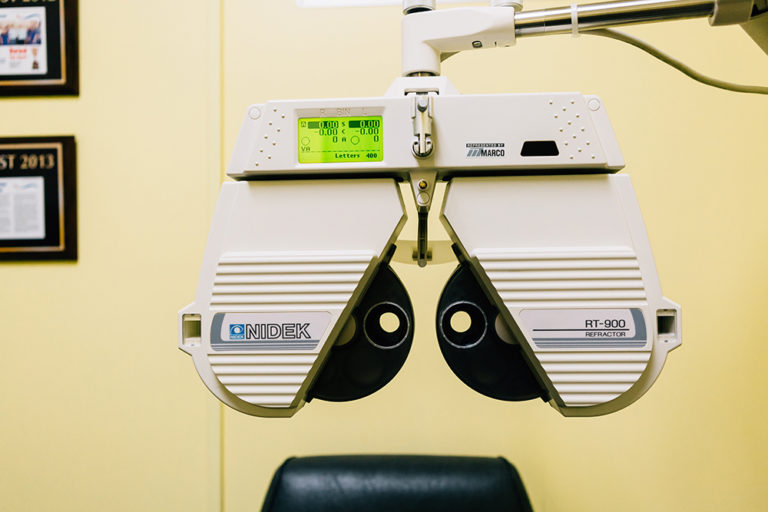
A vision screening, like the one you took at school or the DMV, only checks how well you see, but what an eye exam can detect goes much further. Our doctors use a combination of digital refraction, eye pressure testing, and Optomap retinal imaging to get a full view of the front, middle, and back of the eye. In some cases, we still recommend dilation, which involves drops that widen the pupils for 20 to 45 minutes so we can get an even more thorough look at the retina and the vitreous gel inside the eye. Patients often have the choice between Optomap, dilation, or both, and our doctors recommend whichever combination gives the clearest view for that patient’s situation.

Frequently Asked Questions
Can an eye exam really detect cancer like lymphoma? Yes. Ocular lymphoma can cause floaters, blurred vision, or visible lesions inside the eye, and an eye doctor can often spot the signs during a dilated exam or retinal image. Leukemia, melanoma, and skin cancers on the eyelid can also be caught during a routine visit. An eye exam does not replace cancer screening, but it can be the first place a problem shows up.
Can my optometrist see if I have high cholesterol? Sometimes, yes. A blue or yellowish ring around the cornea or tiny yellowish deposits in the retinal arteries can both point to high cholesterol. These findings do not give an exact number, but they tell your doctor your cholesterol is worth checking with a blood test.
What are the top 3 eye diseases an eye exam looks for? The three most common sight-threatening eye diseases are glaucoma, cataracts, and macular degeneration. All three can develop without obvious symptoms in their early stages, which is why annual exams matter even when your vision feels fine.
Do I need to be dilated, or is retinal imaging enough? It depends on your eyes and your medical history. Optomap retinal imaging gives our doctors a wide, detailed view of the back of the eye without drops, and it works well for most patients. For patients with risk factors like diabetes, a family history of retinal disease, or specific symptoms, a dilated eye exam provides the most thorough view. Sometimes we use both for the most complete picture.
How often should I get an eye exam if I feel fine? The American Optometric Association recommends a comprehensive eye exam every year for adults, even those without vision complaints or known health problems. Many of the conditions on this list develop silently, and routine eye exams give your doctor a baseline to compare against.
When was your last exam?
Regular eye exams are one of the simplest ways to protect your vision and catch broader health problems early. We’ve served Cedar Park, Leander, and the Hill Country for more than 24 years, and we would be honored to have you as a patient. Your vision health is important. Schedule your comprehensive exam today and see what you have been missing.